Safety Certification
Safety product certification supports the protection of people across workplaces, public environments, transport systems, and consumer applications.
Products covered under safety standards are often relied upon to prevent injury, manage risk, or protect vulnerable users, making independent third-party certification critical.
Our JAS-ANZ accredited CMI Product Certification Scheme is classed as a Type 5 certification scheme.
This Certification Scheme is our most flexible scheme, covering Australia, New Zealand and many other countries around the globe. Our CMI ProdCert Scheme evaluates products against the requirements of ISO/IEC 17065 and the specific standard(s) such as AS/NZS, AS, NZS, NFPA, ASTM and ISO.
The ISO/IEC 17065 process evaluates products or compliance to national or international standard, based on the supply of test reports from recognised testing laboratorys such as, NATA, IANZ or ILAC approved laboratories and testing facilities, manufacturing site audits, technical documentation, Product Quality Plan (PQP) and on-going annual audits.

P: +61 7 54452199
E: office@cmicert.com.au
Types Of Safety Products We Certify
Our Safety certification scope covers a wide range of consumer, workplace, and industrial products. Examples include:
Workplace & Industrial Safety
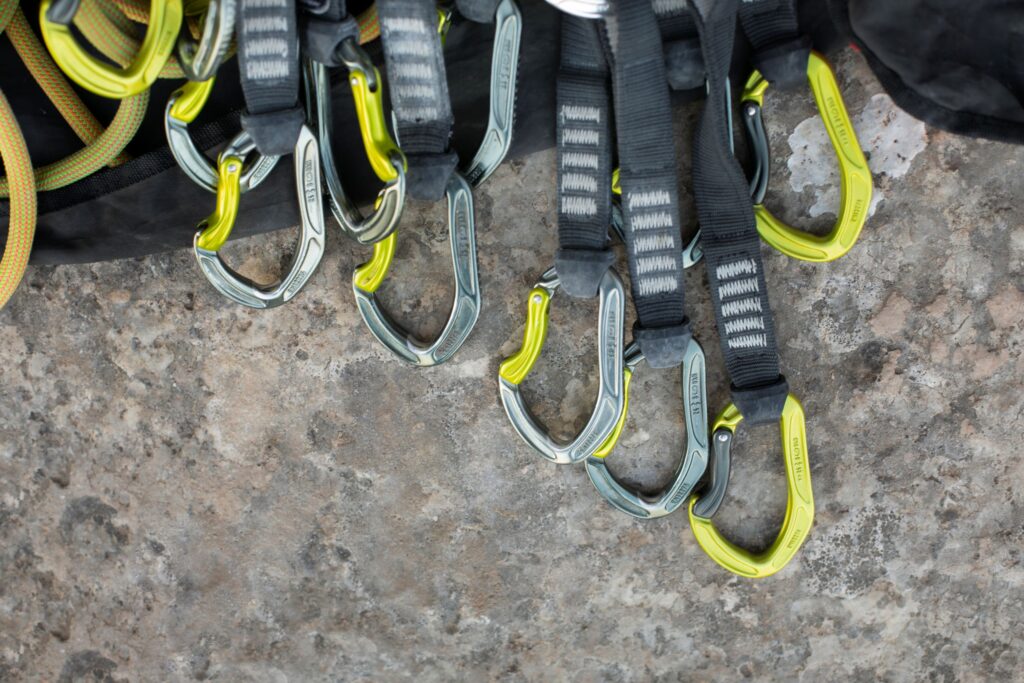
Products designed to protect people in industrial and high-risk environments.
Examples include fall-arrest systems, ladders, slings, rope access equipment.
Children & Infant Products

Safety-critical products intended for babies and young children.
Examples include cots, prams, strollers, dummies, toys.
Vehicle & Transport Safety
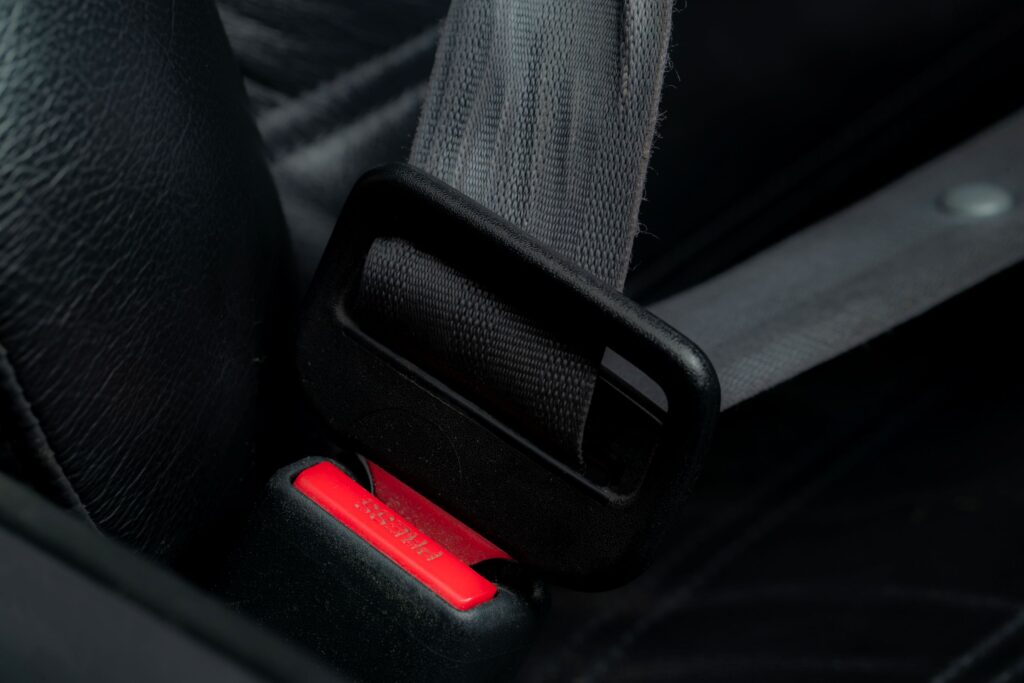
Products associated with occupant protection and vehicle use.
Examples include seat belts, child restraints, cargo barriers, vehicle jacks.
Sports, Fitness & Recreation
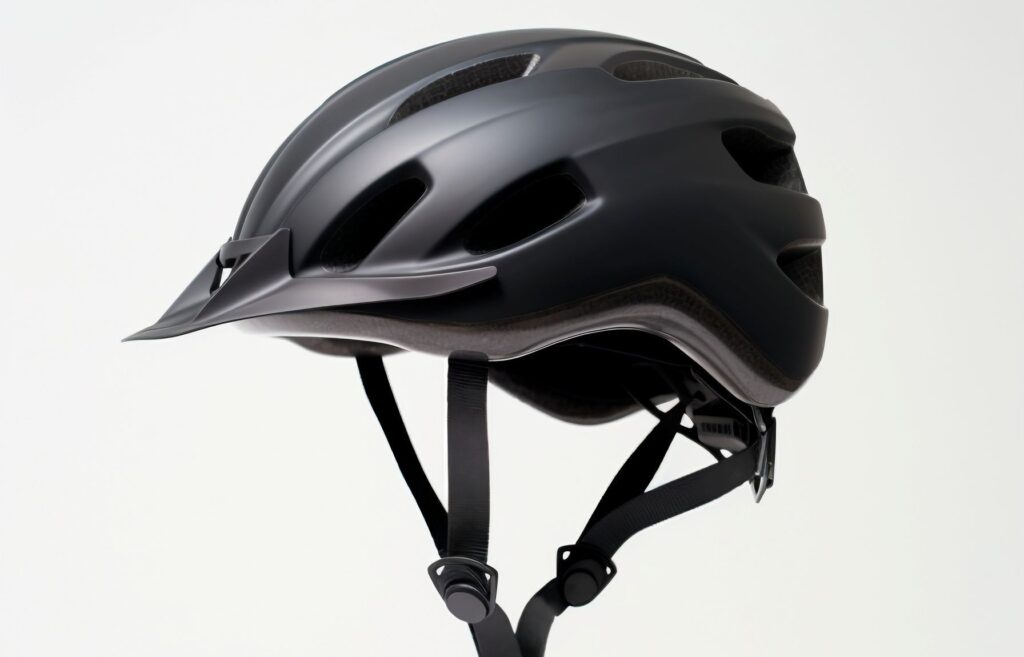
Products used in active, recreational, or sporting environments.
Examples include exercise equipment, bicycles, playground equipment.
Pool, Water & Marine Safety

Products used in aquatic and water-related environments.
Examples include pool barriers, flotation devices, marine safety glazing.
Chemical & Environmental Safety
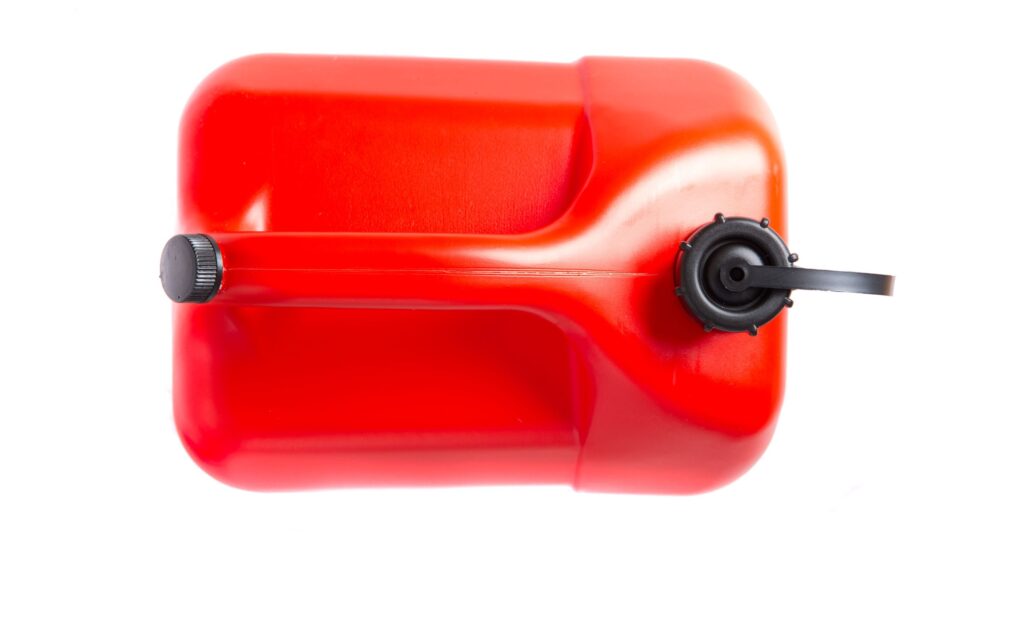
Products used in hazardous material contexts.
Examples include fume cupboards, fuel containers, industrial cleaners.
Visibility & Surface Safety

Products supporting visibility, traction, or impact safety.
Examples include retroreflective materials, slip-resistant surfaces.
Horticulture & Landscaping

Products used in gardening, landscaping, and horticultural applications where safety, quality, and performance are critical.
Examples include soils, composts, mulches, potting mixes.
Why Certification Matters For Safety Products
Safety-critical products are used in environments where failure, non-conformance, or misuse can result in serious injury, loss of life, or regulatory action.
In Australia and New Zealand, many safety products are subject to mandatory requirements, including prescribed standards and enforcement under consumer protection and product safety legislation. In Australia, this includes mandatory consumer product safety standards and bans administered by the Australian Competition and Consumer Commission (ACCC).
Independent third-party certification helps provide confidence that safety products:
Comply with applicable mandatory or referenced standards, where required by regulation
Meet relevant Australian, New Zealand, or international safety standards
Perform as intended under normal and foreseeable conditions of use
Are manufactured under controlled, repeatable production processes
Are supported by appropriate testing, technical documentation, and ongoing surveillance
For manufacturers and suppliers, certification supports lawful market access, product acceptance by regulators and enforcement bodies, and confidence across the supply chain — particularly where products are regulated, prescribed, or subject to compliance verification.
Regulatory note
Some safety products are subject to mandatory requirements under consumer product safety legislation. Manufacturers and suppliers are responsible for ensuring compliance with all applicable laws. Independent certification supports compliance by providing structured, third-party evidence against relevant standards.
Regulatory and Consumer Safety Context
Certain product categories covered under the Safety certification scope may be subject to mandatory consumer product safety requirements, including:
Prescribed safety standards
Permanent or interim bans
Mandatory compliance obligations enforced by regulators
Certification does not replace regulatory obligations, but it provides independent, objective evidence of compliance to support regulatory assessments, product listings, and enforcement expectations.
Certification Framework
CMI safety product certification is conducted in accordance with ISO/IEC 17065, the international standard for bodies certifying products, processes, and services.
This framework ensures certification decisions are:
Independent and impartial
Based on defined certification rules and technical criteria
Supported by objective evidence, including testing and technical evaluation
Depending on the product and applicable regulatory context, certification may involve assessment against Australian, New Zealand, or international standards, including those referenced by regulators or prescribed under consumer product safety law.
JAS-ANZ Accredited
CMI Certification provides JAS-ANZ accredited third-party certification for safety products within our approved scope of accreditation.
Click below to view the list of Safety Standards – CMI Certifiable.
- AS 1223 Industrial hand cleaners (petroleum solvent type) (JAS-ANZ)
- AS 1353.1 Flat synthetic-webbing slings Product specification (JAS-ANZ)
- AS 1666.1 Wire-rope slings Product specification (JAS-ANZ)
- AS 1753 Webbing for restraining devices for occupants of motor vehicles
- AS 1788.1 Abrasive wheels – Design, construction, and safeguarding (JAS-ANZ)
- AS 1892.1 Portable Ladders Performance and Geometric Requirements (JAS-ANZ)
- AS 1892.2 Portable Ladders Timber (JAS-ANZ)
- AS 1892.5 Portable Ladders Selection, Safe Use and Care (JAS-ANZ)
- AS 1906.1 Retroreflective Materials and Devices For Road Traffic Control Purposes – Retroreflective Sheeting
- AS 1926.1 Swimming Pool Safety, Part 1: Safety Barriers For Swimming Pools (JAS-ANZ)
- AS 1926.3 Swimming Pool Safety, Part 3: Water Recirculation Systems (JAS-ANZ)
- AS 2088 Prams and strollers – Safety requirements (JAS-ANZ)
- AS 2089 Sheave blocks for lifting purposes (JAS-ANZ)
- AS 2142 Reflectors for pedal bicycles (JAS-ANZ)
- AS 2182 Sterilizers – Steam – Benchtop (JAS-ANZ)
- AS 2243.8 Safety in laboratories – Fume cupboards
- AS 2243.9 Safety in laboratories – Recirculating fume cabinets
- AS 2227 Yachting harnesses and lines – Conventional lines (JAS-ANZ)
- AS 2351 Nappy sanitizers
- AS 2432 Standard for Babies’ Dummies (JAS-ANZ)
- AS 2538 VEHICLE SUPPORT STANDS (JAS-ANZ)
- AS 2596 Seat belt assemblies for motor vehicles (United Nations Economic Commission for Europe (UNECE), UN Regulation No. 16:2020 (REV. 10) MOD) (JAS-ANZ)
- AS 2613 Safety devices for gas cylinders
- AS 2615 Hydraulic trolley jacks (JAS-ANZ)
- AS 2657 Powered rotary lawnmowers (JAS-ANZ)
- AS 2726.1 Chainsaws – Safety requirements – Chainsaws for general use (JAS-ANZ)
- AS 2726.2 Chainsaws – Safety requirements – Chainsaws for tree service (JAS-ANZ)
- AS 2869 Tampons – Menstrual
- AS 2942 Wheelchair occupant restraint assemblies for motor vehicles
- AS 3547 Breath alcohol testing devices (JAS-ANZ)
- AS 3562 Lighting equipment for bicycles
- AS 3569 Steel wire ropes – Product specification (JAS-ANZ)
- AS 3695.2 Wheelchairs requirements and test methods for electrically powered wheelchairs (including mobility scooters) (JAS-ANZ)
- AS 3743 Potting mixes (JAS-ANZ)
- AS 3792.1 Ride-on lawnmowers – Powered rotary ride-on mowers
- AS 4092 Exercise cycles—safety requirements (JAS-ANZ)
- AS 4287 Child use and care articles – Child seats for cycles – Safety requirements and test methods (EN 14344:2004, MOD)
- AS 4419 Soils for landscaping and garden use
- AS 4422 Playground surfacing – Specifications, requirements and test method (JAS-ANZ)
- AS 4454 Composts, soil conditioners and mulches (JAS-ANZ)
- AS 4586 Slip Resistance Classification Of New Pedestrian Surface Materials (JAS-ANZ)
- AS 4758.1 Personal flotation devices – General requirements (JAS-ANZ)
- AS 4775 Emergency Eyewash and Shower Equipment (JAS-ANZ)
- AS 4484 Gas cylinders for industrial, scientific, medical and refrigerant use – Labelling and colour coding
- AS 4866.1 Playing field equipment – Soccer goals Safety aspects (JAS-ANZ)
- AS 15194 Cycles – Electrically power assisted cycles – EPAC Bicycles (also known as pedelecs) (EN 15194:2009, MOD)
- AS 15918 Cycles-Cycle trailers-Safety requirements and test methods (EN 15918:2011, MOD)
- AS 20957.1 Stationary training equipment General safety requirements and test methods
- AS EN 16579 Playing field equipment – Portable and permanent socketed goals – Functional, safety requirements and test methods (JAS-ANZ)
- AS ISO 20957.2 Stationary training equipment Strength training equipment, additional specific safety requirements and test methods (JAS-ANZ)
- AS ISO 20957.4 Stationary training equipment Strength training benches, additional specific safety requirements and test methods (JAS-ANZ)
- AS ISO 20957.5 Stationary training equipment Stationary exercise bicycles and upper body crank training equipment, additional specific safety requirements and test methods (JAS-ANZ)
- AS ISO 20957.6 Stationary training equipment Treadmills, additional specific safety requirements and test methods (JAS-ANZ)
- AS ISO 20957.7 Stationary training equipment Rowing machines, additional specific safety requirements and test methods (JAS-ANZ)
- AS ISO 20957.8 Stationary training equipment Steppers, stairclimbers and climbers – Additional specific safety requirements and test methods (JAS-ANZ)
- AS ISO 20957.9 Stationary training equipment Elliptical trainers, additional specific safety requirements and test methods (JAS-ANZ)
- AS ISO 20957.10 Stationary training equipment Exercise bicycles with a fixed wheel or without a freewheel – Additional specific safety requirements and test methods (JAS-ANZ)
- AS/NZS 1249 Children’s nightwear and limited daywear having reduced fire hazard
- AS/NZS 1657 Fixed platforms walkways stairways and ladders – Design construction and installation
- AS/NZS 1753 Webbing for restraining devices for occupants of motor vehicles (JAS-ANZ)
- AS/NZS 1754 Child restraints for use in motor vehicles (JAS-ANZ)
- AS/NZS 1891.1 Industrial fall-arrest systems & devices – Harnesses & ancillary equipment (JAS-ANZ)
- AS/NZS 1891.2 Industrial fall-arrest systems & devices – Horizontal lifeline & rail systems (JAS-ANZ)
- AS/NZS 1891.3 Industrial fall-arrest systems & devices – Fall-arrest devices (JAS-ANZ)
- AS/NZS 1891.4 Industrial fall-arrest systems & devices – Selection, Use & Maintenance (JAS-ANZ)
- AS/NZS 1892.1 Portable ladders – Metal (JAS-ANZ)
- AS/NZS 1892.2 Portable ladders – Timber (JAS-ANZ)
- AS/NZS 1892.3 Portable ladders – Reinforced plastic (JAS-ANZ)
- AS/NZS 1900 Flotation Aids For Water Familiarization And Swimming Tuition (JAS-ANZ)
- AS/NZS 1906.2 Retroreflective Materials and Devices For Road Traffic Control Purposes – Retroreflective Devices (Non-Pavement Application) (JAS-ANZ)
- AS/NZS 1906.3 Retroreflective Materials and Devices For Road Traffic Control Purposes – Raised Pavement Markers (Retroreflective And Non-Retroreflective) (JAS-ANZ)
- AS/NZS 1906.4 Retroreflective materials and devices for road traffic control purposes High-visibility materials for safety garments (JAS-ANZ)
- AS/NZS 1927 Pedal bicycles – Safety requirements (JAS-ANZ)
- AS/NZS 1940 The storage and handling of flammable and combustible liquid
- AS/NZS 2080 Safety glazing for land vehicles (JAS-ANZ)
- AS/NZS 2088 Prams and strollers – Safety requirements
- AS/NZS 2130 Cots for day nursery, hospital and institutional use – Safety requirements (JAS-ANZ)
- AS/NZS 2172 Cots for household use – safety requirements (JAS-ANZ)
- AS/NZS 2195 Folding Cots – Safety requirements (JAS-ANZ)
- AS/NZS 2293.1 Emergency lighting and exit signs for buildings System design, installation and operation
- AS/NZS 2293.3 Emergency lighting and exit signs for buildings Emergency luminaires and exit signs
- AS/NZS 2381.2 Electrical equipment for explosive atmospheres – Selection, installation and maintenance – Flameproof enclosure d
- AS/NZS 2538 Vehicle support stands
- AS/NZS 2596 Seat belt assemblies for motor vehicles (ECE Regulation No. 16, MOD) (JAS-ANZ)
- AS/NZS 2615 Hydraulic trolley jacks
- AS/NZS 2640 Portable ramps for vehicles
- AS/NZS 2693 Vehicle jacks (JAS-ANZ)
- AS/NZS 2865 Confined Spaces
- AS/NZS 2906 Fuel containers – Portable-plastic and metal (JAS-ANZ)
- AS/NZS 3695.1 Wheelchairs Requirements and test methods for manual wheelchairs
- AS/NZS 3695.2 Wheelchairs Requirements and test methods for electrically powered wheelchairs (including mobility scooters)
- AS/NZS 3696.19 Wheelchairs Wheeled mobility devices for use as seats in motor vehicles (ISO 7176-19:2008, MOD)
- AS/NZS 3845.1 Road Safety Barrier Systems and Devices Road Safety Barrier Systems (JAS-ANZ)
- AS/NZS 3973 Shower/toilet chairs (mobile and static)
- AS/NZS 4034.1 Motor vehicles – Cargo barriers for occupant protection Cargo barriers (JAS-ANZ)
- AS/NZS 4034.2 Motor vehicles – Cargo barriers for occupant protection Partial cargo barriers (JAS-ANZ)
- AS/NZS 4142.3 Fibre Ropes – man-made fibre rope for static life rescue lines
- AS/NZS 4220 Bunk beds and other elevated beds (JAS-ANZ)
- AS/NZS 4261 Reusable Containers For The Collection Of Sharp Items Used In Human and Animal Medical Applications (JAS-ANZ)
- AS/NZS 4380 Motor vehicles – Cargo restraint systems -Transport webbing and components
- AS/NZS 4399 Sun protective clothing – Evaluation and classification
- AS/NZS 4422 Playground surfacing – Specifications, requirements and test method (JAS-ANZ)
- AS/NZS 4488.1 Industrial rope access systems – Specifications
- AS/NZS 4488.2 Industrial rope access systems – Selection, Use & Maintenance
- AS/NZS 4994.1 Temporary edge protection General requirements
- AS/NZS 5532 Manufacturing requirements for single-point anchor device used for harness-based work at height
- AS/NZS 5848 Code Of Practice For Bungy Jumping (JAS-ANZ)
- AS/NZS 8124.2 Safety of toys Flammability (JAS-ANZ)
- AS/NZS 8124.4 Safety of toys Experimental sets for chemistry and related activities (JAS-ANZ)
- AS/NZS 8124.6 Safety of toys Swings, slides and similar activity toys for indoor and outdoor family domestic use (JAS-ANZ)
- AS/NZS 8124.9 Safety of toys Organic chemical compounds – Requirements (JAS-ANZ)
- AS/NZS 10542.1 Technical Systems and Aids For Disabled Or Handicapped Persons – Wheelchair Tiedown And Occupant-Restraint Systems Requirements and Test Methods For All Systems (JAS-ANZ)
- AS/NZS ISO 8124.1 Safety of toys Safety aspects related to mechanical and physical properties (JAS-ANZ)
- AS/NZS ISO 8124.5 Safety of toys Chemical toys (sets) other than experimental sets (JAS-ANZ)
- AS/NZS ISO 8124.7 Safety of Toys Requirements and test methods for finger paints
- ASTM F 977 Standard Consumer Safety Specification for Infant Walkers (JAS-ANZ)
- ASTM F 1967 Standard Consumer Safety Specification for Infant Bath Seats (JAS-ANZ)
- ISO 21005 Ships and Marine Technology Thermally Toughened Safety Glass Panes For Windows and Side Scuttles (JAS-ANZ)
- Consumer Protection Notice No. 1 of 2013 SAFETY STANDARD: BABY WALKERS
- Consumer Protection Notice No. 2 of 2009 CONSUMER PRODUCT SAFETY STANDARD FOR FLOTATION TOYS AND AQUATIC TOYS
- Consumer Protection Notice No. 4 of 2006 Consumer Goods (Babies’ Dummies and Dummy Chains) Safety Standard 2017
- Consumer Protection Notice No. 4 of 2014 Consumer Goods (Bean Bags) Safety Standard 2014
- Consumer Protection Notice No. 6 of 2004 CONSUMER PRODUCT SAFETY STANDARD: PEDAL BICYCLES: SAFETY REQUIREMENTS
- Consumer Protection Notice No. 1 of 2003 CONSUMER PRODUCT SAFETY STANDARD: BUNK BEDS
- Consumer Protection Notice No. 3 of 2014 SAFETY STANDARD: CHILD RESTRAINT SYSTEMS FOR USE IN MOTOR VEHICLES
- Consumer Protection Notice No. 9 of 1997 CONSUMER PRODUCT SAFETY STANDARD – EXERCISE CYCLES
- Consumer Protection Notice No. 4 of 2008 CONSUMER PRODUCT SAFETY STANDARD FOR CHILDREN’S PORTABLE FOLDING COTS
- Consumer Protection Notice No. 6 of 2005 CONSUMER PRODUCT SAFETY STANDARD: CHILDREN’S HOUSEHOLD COTS
- Consumer Protection Notice No. 9 of 2004 CONSUMER PRODUCT SAFETY STANDARD FOR PORTABLE FIRE EXTINGUISHERS: AEROSOL TYPE
- Consumer Protection Notice No. 2 of 2010 CONSUMER PRODUCT SAFETY STANDARD FOR PORTABLE RAMPS FOR VEHICLES
- Consumer Protection Notice No. 8 of 2007 CONSUMER PRODUCT SAFETY STANDARD FOR PRAMS AND STROLLERS
- Consumer Protection Notice No. 13 of 2003 Consumer product safety standard: Sunglasses and fashion spectacles
- Consumer Protection Notice No. 12 of 2008 CONSUMER PRODUCT SAFETY STANDARD FOR VEHICLE SUPPORT STANDS
- Consumer Protection Notice No. 3 of 2009 CONSUMER PRODUCT SAFETY STANDARD FOR SWIMMING AIDS AND FLOTATION AIDS FOR WATER FAMILIARISATION AND SWIMMING TUITION
- Consumer Protection Notice No. 10 of 2008 CONSUMER PRODUCT SAFETY STANDARD FOR TROLLEY JACKS
- Consumer Protection Notice No. 1 of 2010 CONSUMER PRODUCT SAFETY STANDARD FOR VEHICLE JACKS
- AS EN 12413 Safety requirements for bonded abrasive products (JAS-ANZ)
- EN 1400 Child use and care article – Soothers for babies and young children – Safety requirements and test method
- EN 12586 Child use and care article – Soother holder – Safety requirements and test method
- NZS 4454 Composts, soil conditioners and mulches
Transfer Your Safety Certification
Already certified and considering a change of certification body?
CMI Certification can assess an eligible transfer to support continuity and minimise duplication.
Documents required: current certification certificate, last audit report, test reports, specifications, markings, user instructions and any other supporting technical documentation.
Why Transfer Your Safety Certification to CMI Certification
JAS-ANZ accredited certification body
Trusted, independent certification within accredited scope.
Responsive, customer-focused support
Clear communication and a practical approach to managing transfers.
Efficient transfer and turnaround times
Existing certification evidence is reviewed to avoid unnecessary duplication and delays.
Independent, third-party product certification
Objective assessment based on certification requirements and technical evidence.
Clear and structured certification processes
A straightforward process designed to maintain certification continuity and minimise disruption.
Certification Transfer Process
Step 1 – Eligibility and document review
Submission of your current certificate, most recent audit report, test reports, specifications, product markings, user instructions, and other relevant technical documentation.
Step 2 – Technical assessment
Review of certification status, audit outcomes, and supporting compliance evidence.
Step 3 – Transfer decision
Confirmation of transfer and continuation of certification under the CMI ProdCert Scheme, where eligibility criteria are met.
Submit your enquiry and we’ll confirm eligibility and next steps.
Transfers are subject to accreditation scope, certification status, and technical review.
Marking of Product Certified Products
Product marking plays a vital role in the Product Certification Scheme, ensuring compliance and promoting safety and quality. Marking products with the appropriate certifications and labels helps consumers make informed choices, distinguishing certified products from others in the market. It provides clear evidence that a product has undergone rigorous testing, manufacturing quality controls and meets established standards. Additionally, product marking aids in traceability, allowing authorities to track and identify certified products throughout the supply chain. By adhering to proper marking practices, manufacturers contribute to building trust, protecting consumers, and upholding the integrity of the Product Certification Scheme, ultimately fostering a safer and more reliable marketplace.
Changes To Your Product Since It Was Certified
The things you need to let CMI Certification know that may or have changed since your product was originally certified are:
- Change of Suppliers of any Raw Materials or Components
- Change to Certified Product Specifications or Design
- Change of Manufacturing Location
- Change to Marking, Packaging, User Instructions, Installation Instructions etc
- Change in Details or Address of Certificate Holder
- Change to Standard or claims within the Standard
This notification should occur prior to the changes being actually implemented so that CMI Certification can discuss and advise the actions/updates that maybe required to be undertaken because of the change.